On a bitter spring afternoon at New York’s Polo Grounds in 1901, something wasn’t selling. Spectators watching the New York Giants waved off ice cream and cold drinks. What they wanted — though they hadn’t quite clocked it yet — was something hot, fast, and easy.
The man who noticed was Harry M. Stevens, a Derby‑born concessionaire with a sharp eye for crowd behaviour. His solution wouldn’t just rescue a chilly afternoon’s takings — it would forever change how the world eats at sporting events, giving rise to one of the most recognisable foods on the planet: the hot dog.
A Derby Beginning
Harry Mozley Stevens was born in Derby in 1855, raised in Litchurch amid foundries, rail lines and industrial grind. By the age of 14, he was working as a puddler, a brutal job refining molten iron — dangerous, exhausting, and far removed from condiments.
Five years later, newly married and living on Russell Street, Stevens was scraping a living as a potato vendor. In the early 1880s, he and his wife Mary emigrated to the US, settling in Niles, Ohio, where he found work in a steelworks. When a strike shut the plant, Stevens hustled — taking on whatever work he could, including stints as a travelling book salesman.
Food, it turned out, wasn’t yet the plan. But sport definitely was.
The Scorecard Man
Stevens’ breakthrough came from irritation. Watching a baseball game in Columbus, Ohio, he found the scorecards baffling. His fix was simple: redesign them to clearly list players, fund them through advertising, and sell them loudly to fans.
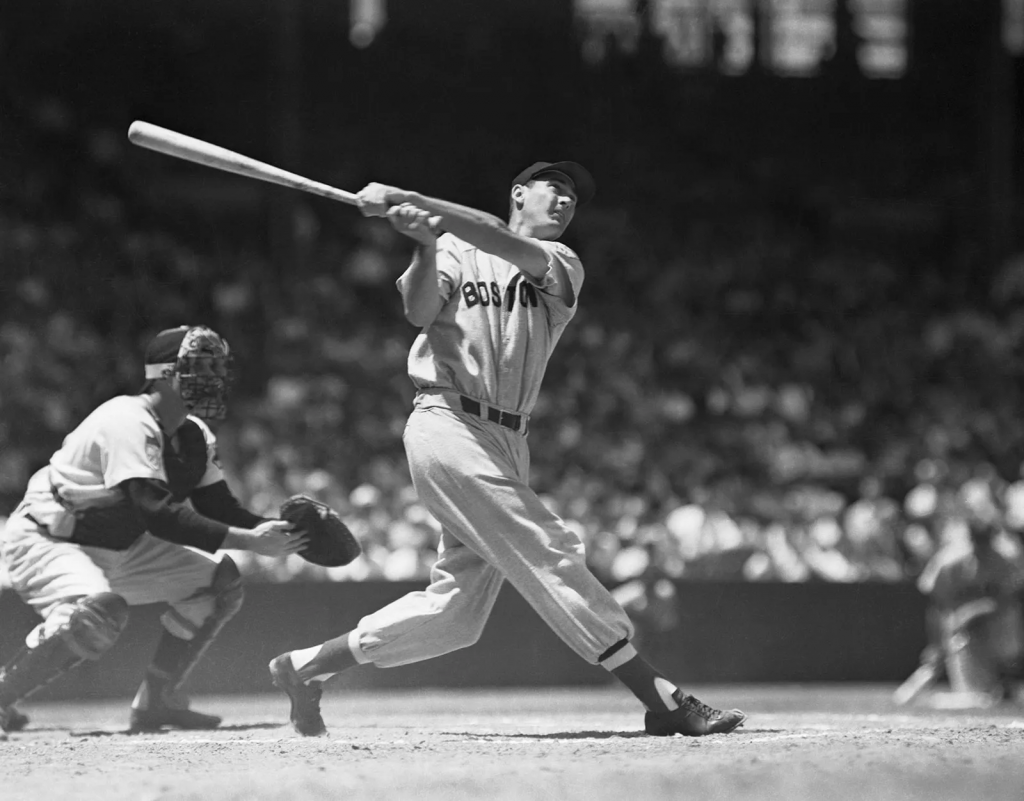
“You can’t tell the players without a scorecard,” he’d shout from his stall — a line that stuck.
The idea took off. By the late 1890s, Stevens held concession contracts at major sporting venues including the Polo Grounds and Madison Square Garden. Food soon followed paper.
Writer Damon Runyon later described Stevens as a “heavy‑set young man in a brilliant red coat”, selling peanuts, ham sandwiches and beer. Whether or not he invented the peanuts‑at‑baseball tradition, he certainly made it ubiquitous — soon controlling concessions at multiple Major League parks across New York and Boston.
A Sausage in a Roll
Then came that cold April day in 1901.
Faced with a 50,000‑strong crowd more interested in staying warm than choosing ice cream flavours, Stevens recalled a suggestion from his son Frank. He dispatched his staff into nearby Manhattan streets to hoover up every German sausage, roll and jar of mustard they could find.
It was a risky move. At the time, popular songs joked darkly about German sausages and missing dogs — hinting at widespread suspicion about what went into frankfurters. But Stevens pushed on, rebranding the meal as “red hots” or “dachshund sausages”.
They were warm. Portable. Perfect.
They sold out.
The name hot dog followed soon after, supposedly coined by cartoonist Tad Dorgan, who opted for speed over spelling when labelling one in print. The term existed before, but history agrees on this much: Stevens made the hot dog a stadium staple.
Reinventing the Ballpark Experience
Stevens didn’t just sell food — he rethought the entire fan experience. He trained mobile vendors to move through crowds, introduced straws for bottled drinks, and tailored menus to different audiences. Baseball fans wanted peanuts, soda and hot dogs. Race‑goers wanted something heartier.
In doing so, he created an empire — and something more subtle too.
Writing in 1924, Stevens recalled bankers and truck drivers standing side by side at the Polo Grounds counters, eating the same food, drinking the same beer. In his view, baseball — and hot dogs — temporarily flattened class divides. The idea that everyone was equal inside the ballpark became central to the mythology of the game.
By the early 20th century, Harry M. Stevens, Inc. ran concessions at ballparks, boxing arenas and racetracks across the US and beyond. When Stevens died in 1934, headlines dubbed him “the world’s greatest sporting caterer.”
Remembering Derby
Despite his American success, Stevens never forgot Derby. He sent money home to local schools and churches, staying emotionally tied to the city where his working life began.
Today, Derby proudly claims him as one of its most unlikely exports — the man who helped turn a sausage in a roll into a global icon.
A Lasting Legacy
Did Harry Stevens invent the hot dog? Most historians believe almost certainly not.
But he understood scale, crowds and convenience — and that’s what made all the difference. Every time someone buys a hot dog at a sporting event, they’re biting into a tradition shaped by a Derby‑born entrepreneur who realised that the best ideas are often the simplest:
Serve it hot. Wrap it in bread. And make it easy to eat while watching the game.