Most football photographers spend their lives chasing the ball.
Peter Robinson spent much of his career pretending it wasn’t there.
While everyone else was scrambling for shots of the winning goal, the Leicester-born photographer had his eye on the bloke in the crowd wearing a giant sombrero, the kid hanging off the crash barriers, or the steward trying desperately not to laugh at whatever madness was unfolding in the crowd behind him.
And that’s exactly why his pictures are so good.
Born in Leicester in 1944, Robinson studied at Leicester College of Art before heading to the Royal College of Art. His first football photographs appeared in the highly regarded Leicester-based magazine Football League Review, (You can read a great feature about the history of the magazine HERE) where he began developing a unique style that would eventually make him one of the most respected sports photographers on the planet.
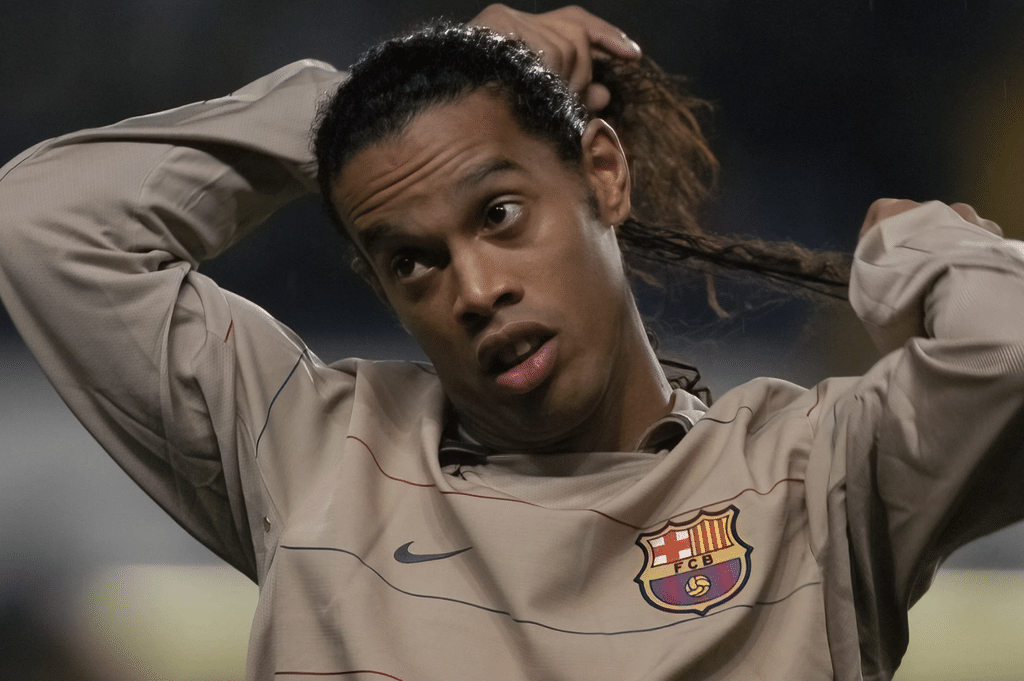
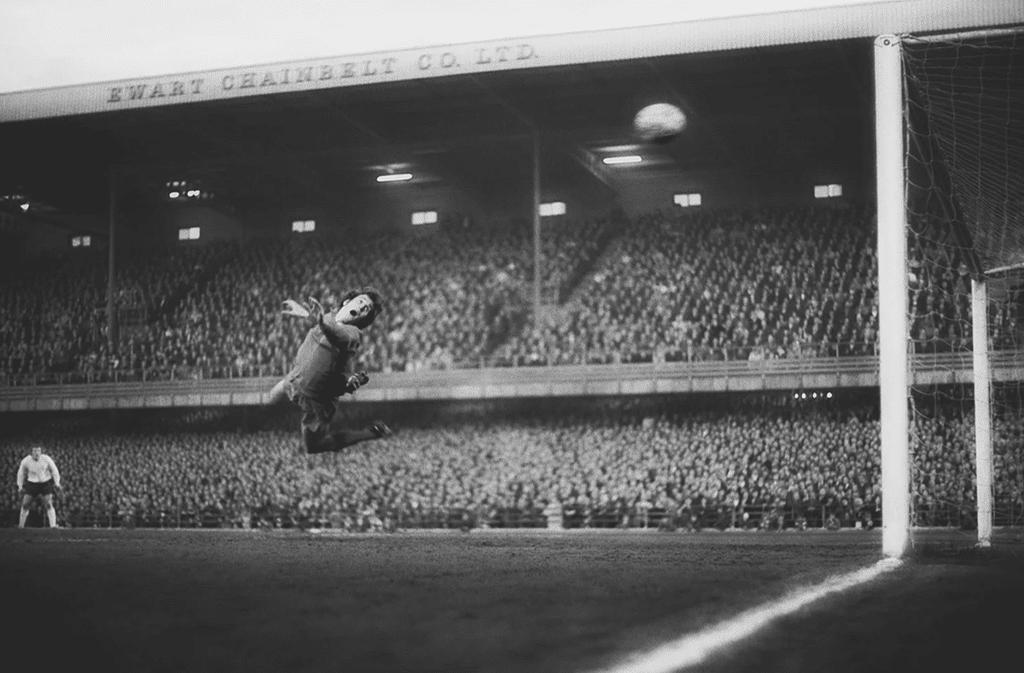
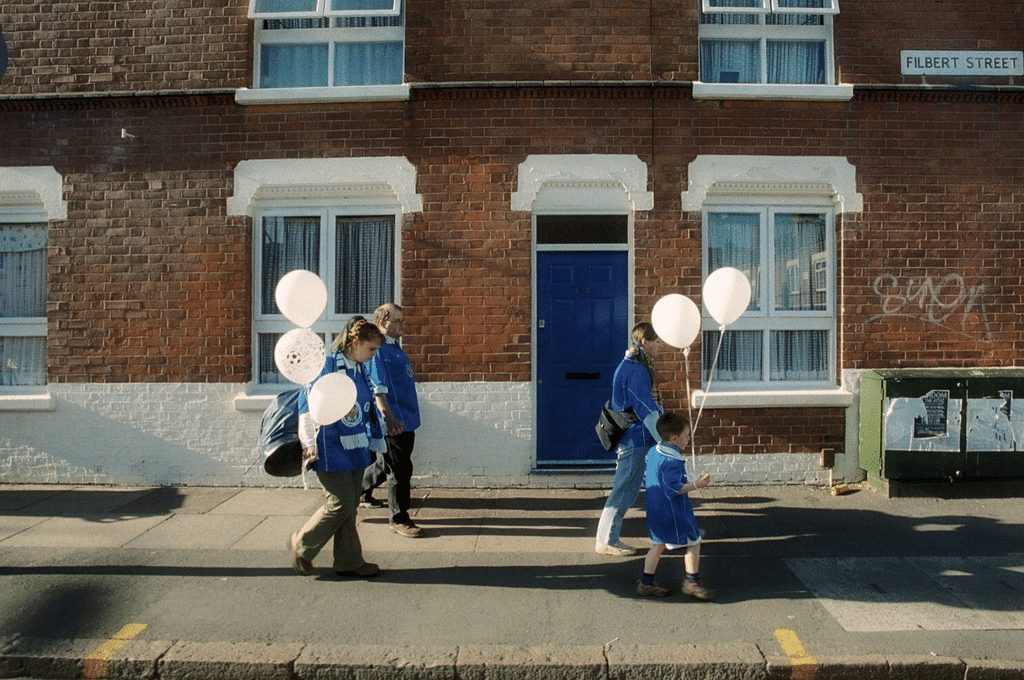
Over the next six decades, that camera would take him almost everywhere football could take someone.
World Cups. Olympic Games. European finals. League matches. Dusty pitches. Giant stadiums. Tiny grounds. Cold Tuesday nights. Scorching afternoons on the other side of the world. If football was happening, chances are Robinson was somewhere nearby with a camera around his neck.
And as his career progressed, Peter became more obsessed not freezing the exact moment the ball hit the net,
More features from SITM
but in the stuff everyone else missed away from the ball.
The anticipation before kick-off.
The heartbreak after defeat.
The fans.
The characters on the terraces.
The glorious absurdity of football.
Speaking about his approach, Robinson once explained that he wanted every image to tell a story and often saw himself as making a comment on football rather than simply recording what happened during a match.
And it was his sideways way of looking at the game that produced some remarkable pictures.
One image featured in his recent Leicester exhibition shows Bulgarian footballer Emil Kostadinov sprawled dramatically on the turf at the 1994 World Cup. Directly above him on an advertising hoarding is an enormous Coca-Cola bottle lying on its side. Robinson later revealed he’d spent much of the game waiting for exactly that moment to happen.
When you bring together his body of work it realy feels less like sports photography and much more like documentary storytelling. His images capture the theatre, humour, passion and occasional weirdness that make beautiful game the world’s most popular sport.
It’s no surprise that his photographs have appeared in more than 50 books and thousands of magazines. His celebrated book Football Days is widely regarded as one of the definitive photographic records of the sport, while 1966 Uncovered offered a fresh visual look at England’s World Cup-winning summer. Both received Illustrated Sports Book of the Year recognition.
His reputation eventually took him all the way to FIFA, where he served as the organisation’s official photographer for more than two decades before becoming photography consultant to the FIFA Museum in Zurich in 2015.
His photographs now sit in the collections of institutions including the National Portrait Gallery in London, the Deutsches Historisches Museum in Berlin and the Museo Histórico Nacional in Buenos Aires.
And if all that wasn’t impressive enough, in 2022 The Athletic and The New York Times described him as “arguably the world’s greatest living soccer photographer”. Not bad for a lad born a Chizzit.
The city welcomed him home again recently through the exhibition Keep Off the Grass at De Montfort University, showcasing more than 200 photographs from his extraordinary career. Visitors get to see what football looked like through the eyes of a man who spent a lifetime refusing to just follow the ball.
You can view and buy Peter’s iconic prints directly from Peter at his website https://www.thesaturdayman.com/