We were given the chance to have a snoop around a former Cold War bunker in Notts before it’s turned into a community hub with 104 new homes around it.
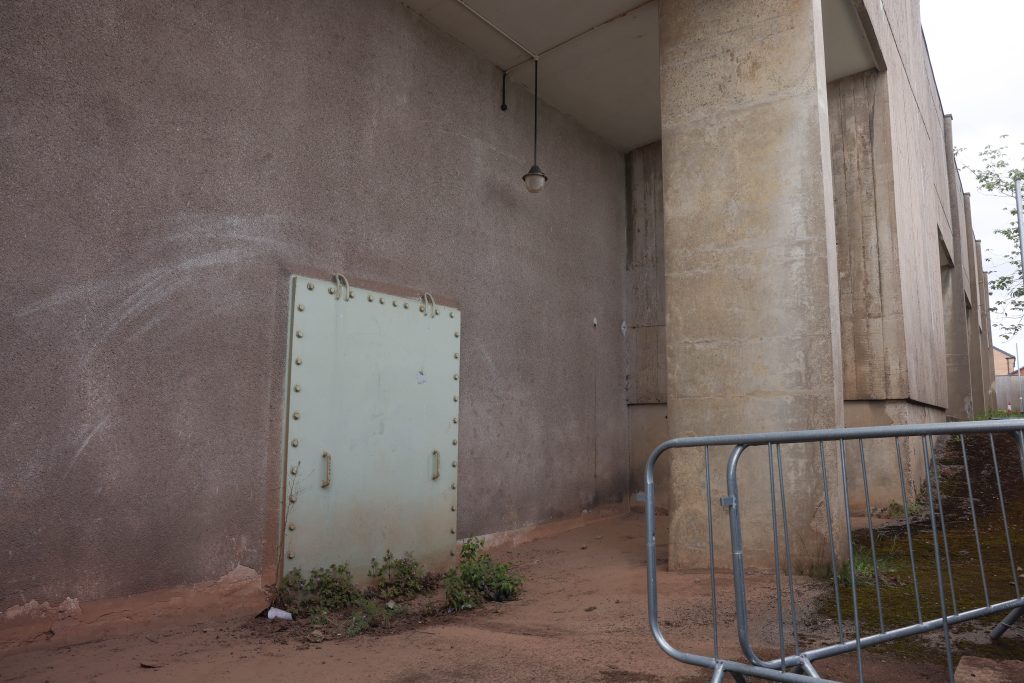
Known locally as “The Kremlin”, the bunker was built in Beechdale during the early 1950s, as tensions mounted between the capitalist US and communist Soviet Union.
It was one of 16 “war rooms” built during the Cold War years, and would have acted as a regional centre for governance in the event of nuclear war.
SIGN UP FOR OUR FREE E-MAIL NEWSLETTER SENT EVERY TUESDAY AND THURSDAY HERE
Reporter Joe Locker got to tour around the large Grade II-listed concrete structure, as work commenced to transform it.
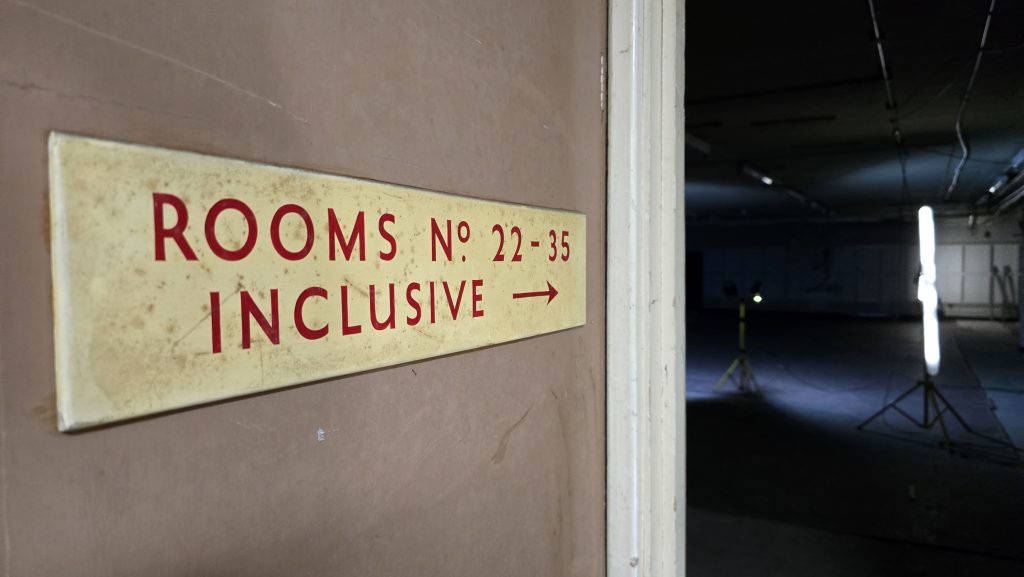
Dark and drab corridors feature hooks from which government officials would have draped their coats, and a functional Lamson tube system snakes around the site, through which critical messages would have been sent using compressed air.
A warranty slip from the 1950s even features in one of the original fridges in the kitchen, which has been left completely untouched.
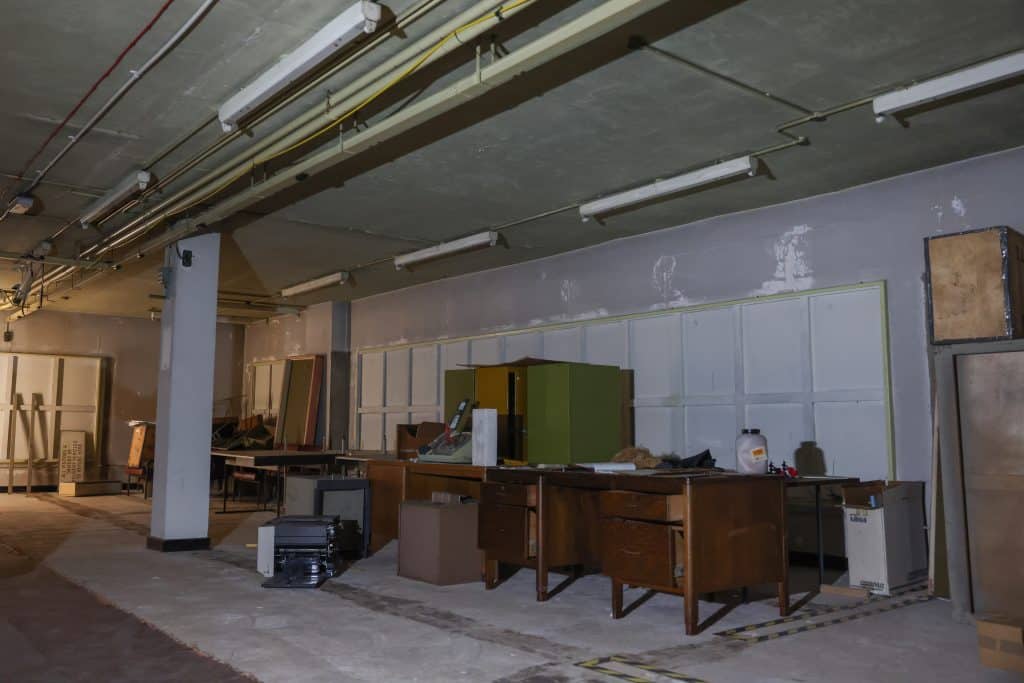
What could have been home to up to 400 government staff will now become a community hub, featuring podcasting and media facilities, café and restaurant space, and room for charities to work.
Permission for the transformation of the site, off Chalfont Drive, was granted by Nottingham City Council in November last year.
The bunker was originally designed to accommodate its inhabitants and protect them from nuclear fallout, rather than a blast itself.
Fallout is the residual radioactive material that falls back to the earth, having been sent up into the air after a nuclear explosion.
The site was later decommissioned and repurposed as a storage facility for the Ministry of Agriculture, Fisheries and Food before it closed its doors in the 1990s.
You might like…
The bunker spans three floors and features a former BBC studio, which was designed to deliver news broadcasts to any survivors outside.
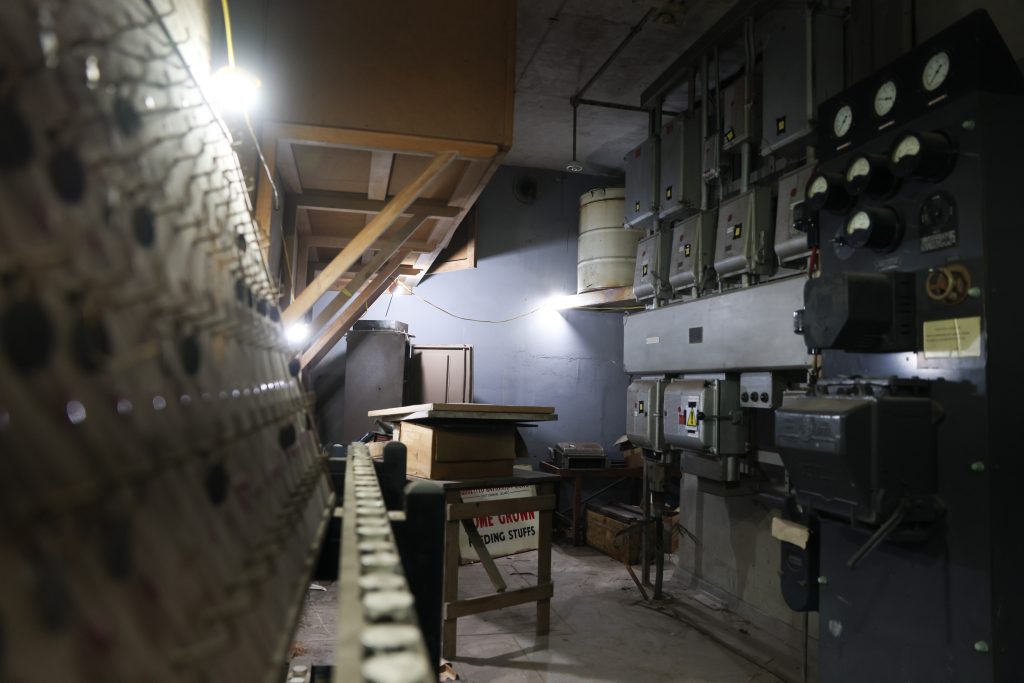
As part of the redevelopment of the bunker, a number of heritage zones will be retained, including the Lamson tube system, a plant room, the original kitchen and canteen, and the BBC studio.
One restaurant will be on the ground floor, and another will be on the roof, featuring a rooftop terrace.
By Joe Locker (Local Democracy Reporter)