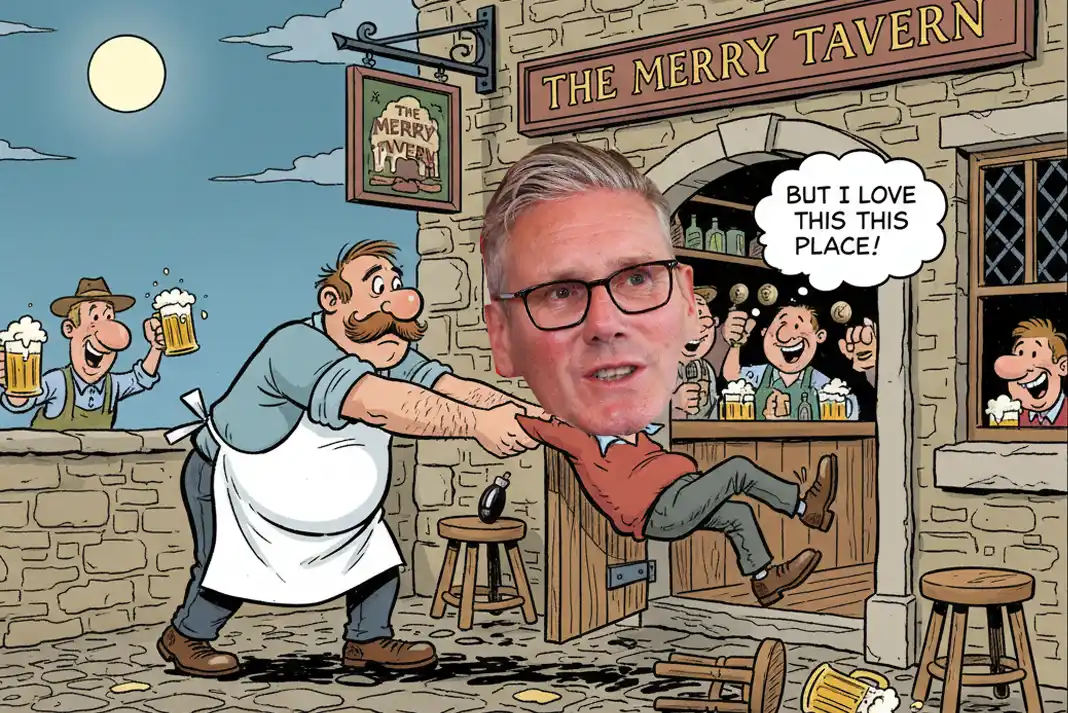

Landlords of a number of local boozers across the East Midlands have banned Labour MPs from getting served as a backlash over rising costs for our pubs brews.
Over 250 UK pubs, restaurants, and hotels have joined the movement, including some in our region,
Signs outside pubs barring Labour MPs with the #taxedout slogan started appearing last week.
The campaign, which originated at the Larder House pub in Bournemouth, is urging the government to backtrack on rising business rates for hospitality operators.
James Fowler, owner of the Larder House said the tax changes were a “devastating blow”. Commenting on Instagram earlier this week, he said: “We are now all rather annoyed and very concerned – not just for our own businesses but those across the whole country. We feel we are just being ignored!
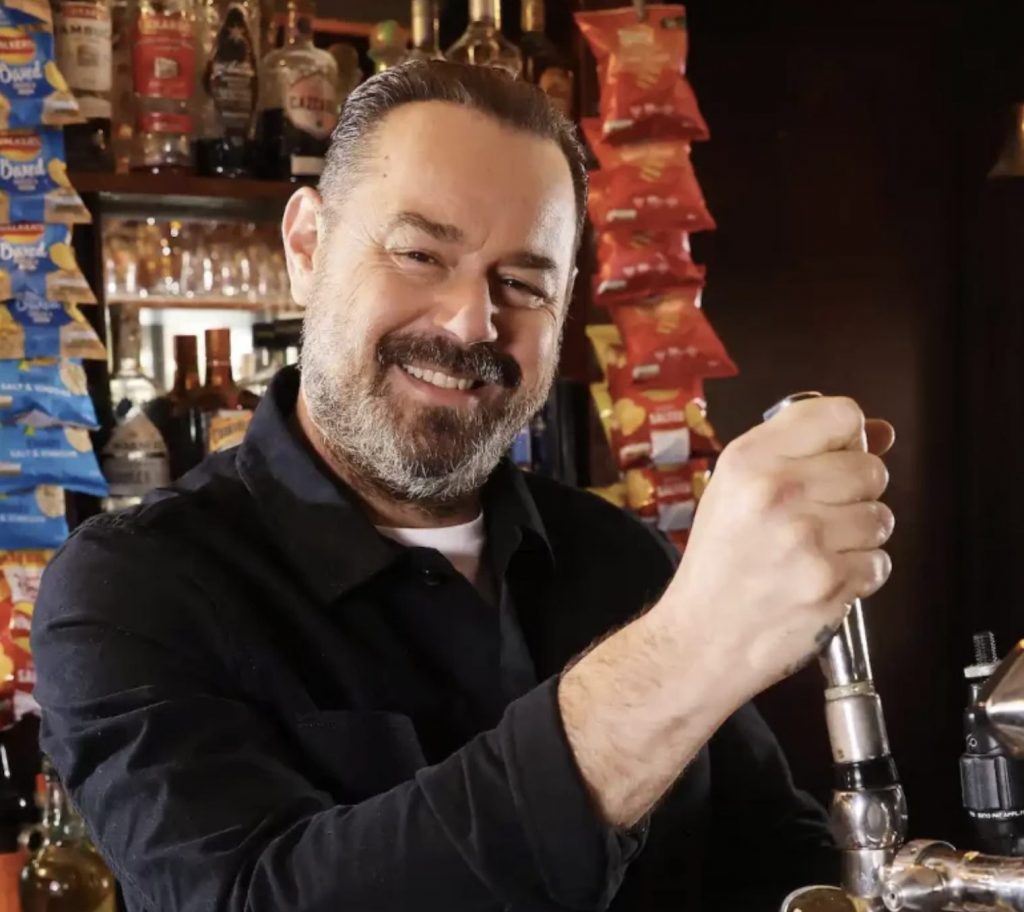
Andy Lennox, owner and MD of the Fired Up Collective which operates three pubs and three restaurants in and around Dorset, is now working with Fowler to champion the campaign.
The Old Thatch in Dorset, became the first pub to bring in the ban, triggering similar action across the country.
Bournemouth landlord Andy Lennox explained it was a sign of the industry’s reaction to soaring business and VAT rates. He said the ban was a last resort after years of lobbying had failed to result in any meaningful financial relief.
Although the government has pledged multibillion-pound support for hospitality, campaigners say those in hospitality feel the response does not fairly reflect the financial pressure they are currently under.
So, why are Labour MPs banned?
One of the reasons the hospitality industry says its under major financial pressure is due to unpredictable business rates.
While in the recent Budget, the government announced that some retail and hospitality businesses will benefit from a lower multiplier, many have seen their rateable values increase, which means they won’t qualify for the lower rates.
And from April 2026, the remaining COVID-era 40% business rates discount will be no more.
Another area of concern is hospitality VAT rates, which remain among the highest in Europe at 20%. Before the Budget, the Liberal Democrats suggested a reduction to 5% to help ease pressure on the industry, but this has yet to materialise.
Despite the revolt, the government insists it is not abandoning pubs and small hospitality venues.
In her 2025 Budget speech, Chancellor Rachel Reeves said the government would introduce “permanently lower tax rates for over 750,000 retail, hospitality and leisure properties – the lowest tax rates since 1991”.
She said the reforms would be funded “through higher rates on properties worth £500,000 or more, like the warehouses used by online giants”, alongside a wider package of support designed to protect small businesses facing steep increases in their bills.
However, UKHospitality has disputed the government’s figures, questioning both the scale of the support and how far it will offset rising costs for small venues. They say the average UK pub’s business rates will still rise by around 15% next year.