
It had been ghosting the entire country for half a century.
A tiny spider that literally no one had heard of until five minutes ago is suddenly the main character of British conservation, after the government dropped a casual £50k to stop it yeeting itself into extinction.
The National Trust has been awarded £50,458 to build on vital research already underway in partnership with the British Arachnological Society (try saying that after a few beers!).
The diamond‑backed spider — which I personally think sounds like it should be guarding treasure in an Indiana Jones movie — was rediscovered at Clumber Park in 2017 after ghosting the entire country for half a century. It’s still only found in that one spot, which is adorable but also deeply stressful for everyone involved. Have you seen that undergrowth?
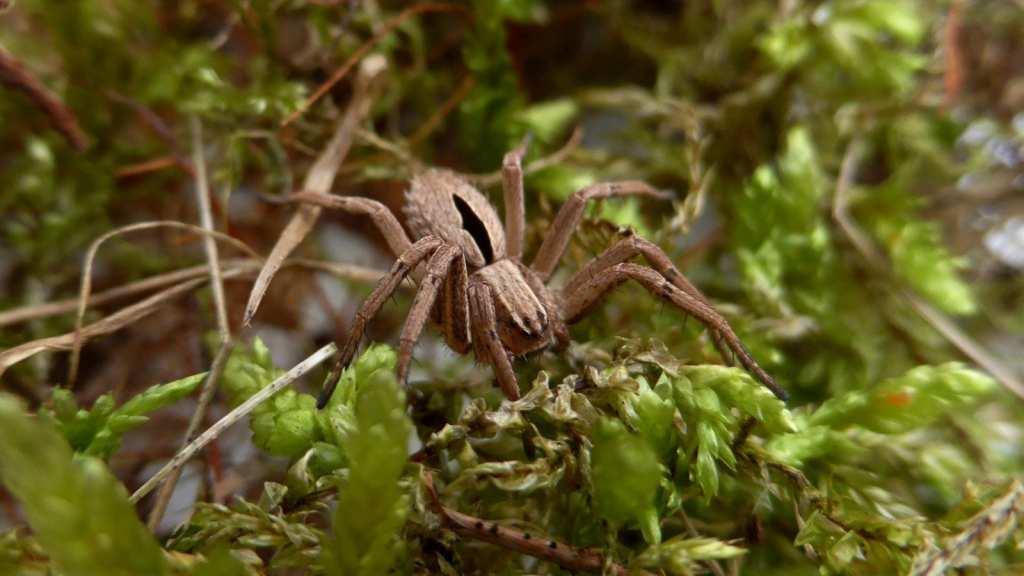
To keep the species from disappearing again, the National Trust has been handed cash to figure out what this spider’s deal actually is. Researchers still don’t know how it breeds, where it came from, or why it decided Clumber Park of all places was the vibe. They haven’t even found a pregnant female yet, which feels like a pretty crucial detail.
The next steps read like a spider-themed episode of CSI:
- DNA tests will be take place to figure out where this thing originated
- Habitat tweaks made so the spiders don’t pack up and leave
- Heathland surveys across Sherwood Forest to see if any cousins are lurking
- Experiments on how to move them elsewhere without accidentally committing spider genocide
- A nostalgic trip to Ashdown Forest, where the species was last seen in 1969, just in case it’s been hiding this whole time
According to the National Trust and the British Arachnological Society, this funding is basically the difference between “critically endangered” and “maybe chill one day”. Spiders, they remind us, are actually useful — natural pest control, ecosystem balance, all that wholesome stuff you forget when one appears in your shower.
The whole thing is part of the government’s new “Wild Again” campaign, which is essentially an attempt to reverse decades of biodiversity decline and make England slightly less of a wildlife graveyard.
If this tiny eight‑legged introvert becomes the poster child for ecological recovery, honestly, good for her.