
Where’ve you been hiding?
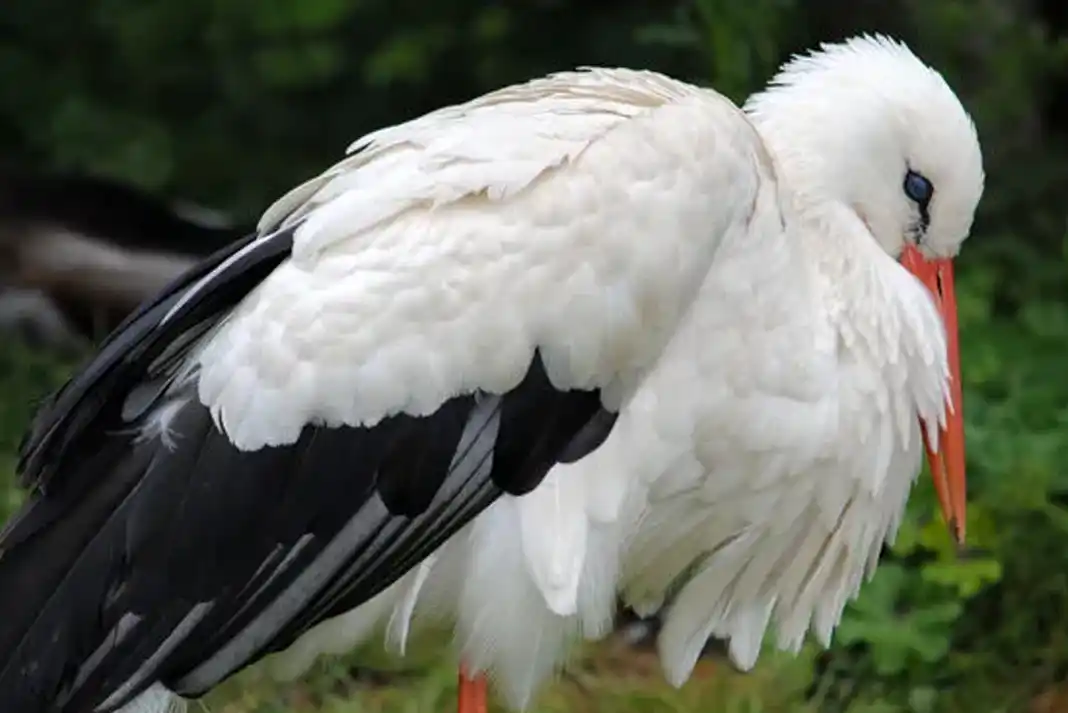
Derbyshire Wildlife Trust wants to reintroduce white storks and establish a healthy breeding population in the East Midlands, more than 600 years after they vanished from the region.
The Trust is using Middleton Moor, which is just outside Matlock Bath, to reintroduce the lost species.
The Trust plans to create a purpose-built white stork enclosure and will work with Celtic Rewilding, stork specialists who run a captive breeding facility just over the border in Staffordshire.
The enclosure will support breeding, chick development and then carefully managed soft releases into the local habitat
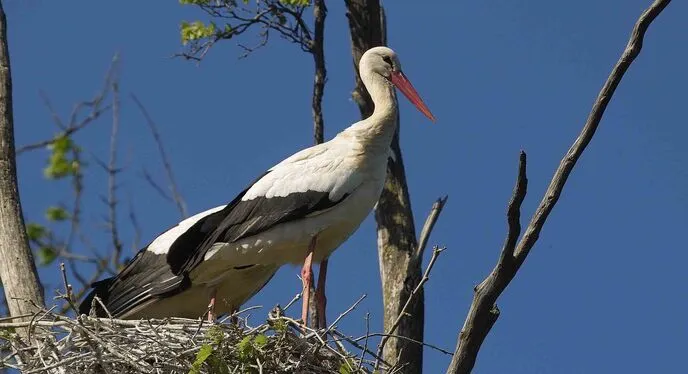
A pair of flightless storks will also be introduced to the site to help attract wild birds moving through the Trent Valley and encourage settlement and breeding.
This will be a community-led project with local volunteers engaged in habitat restoration across the reintroduction site.
A digital experience is also being created to help engage new visitors and those who can’t access the site, creating a platform for volunteers to share their sightings, photos and video footage.
As a key indicator of healthy wetland ecosystems, white storks are seen as a key indicator of healthy wetland ecosystems and important role in boosting biodiversity, regulating small animal populations, building and abandoning nests that support other birds. The endearing species, often depicted delivering babies in beloved stories (reaches for Dumbo DVD – Ed), also inspire a connection between people and nature.
You might like…
The iconic native species would have been present across the county until the 14th century, when loss of habitat and hunting led to their disappearance.
More recently, sightings have increased, including birds recorded flying over Willington Wetlands in 2024 and nearby in 2025, but none have yet stayed to breed.
Katie Last is Living Landscape Officer at Derbyshire Wildlife Trust and is excited about bringing white storks back to the East Midlands.
“It’s a species that has been absent from these skies for over 600 years,” she said.
“This project isn’t just about returning an iconic bird; it’s about reigniting people’s wonder for nature and showing what’s possible when communities come together for wildlife.”
The storks are expected on site this summer. Keep up to date on progress by visiting the website HERE