From the mysterious “Overalls Man” seen outside a Lincolnshire home to a woman found beside an isolated Derbyshire raceway, these baffling murder cases have remained unsolved for decades.
Some murder cases remain unsolved because vital evidence was lost, witnesses stayed silent or detectives were simply unable to prove their suspicions. Others contain a detail so peculiar that, decades later, it still raises the same question: what exactly happened?
Across the East Midlands, families have waited 30, 40 or even 60 years for answers. Some of the cases involve unidentified visitors, conflicting sightings and possessions that vanished without explanation. In others, modern DNA testing has failed to produce a name, despite offering a profile.
These are six of the region’s strangest unresolved murder cases.
The woman found beside an isolated Derbyshire raceway
Axe Edge, near Buxton, 1982
The final journey of 20-year-old Elaine Wakefield remains difficult to explain.
On February 25, 1982, she left the flat she shared with her boyfriend in Buxton. Several people who knew her later reported seeing her walking in the direction of High Edge Raceway at Axe Edge, around six miles outside the Derbyshire town.
Two days later, her body was discovered close to the circuit.
Elaine Wakefield was wearing only a bra. The rest of her clothes were found approximately 200 yards away, and a post-mortem examination concluded that she had died from compression to her neck.
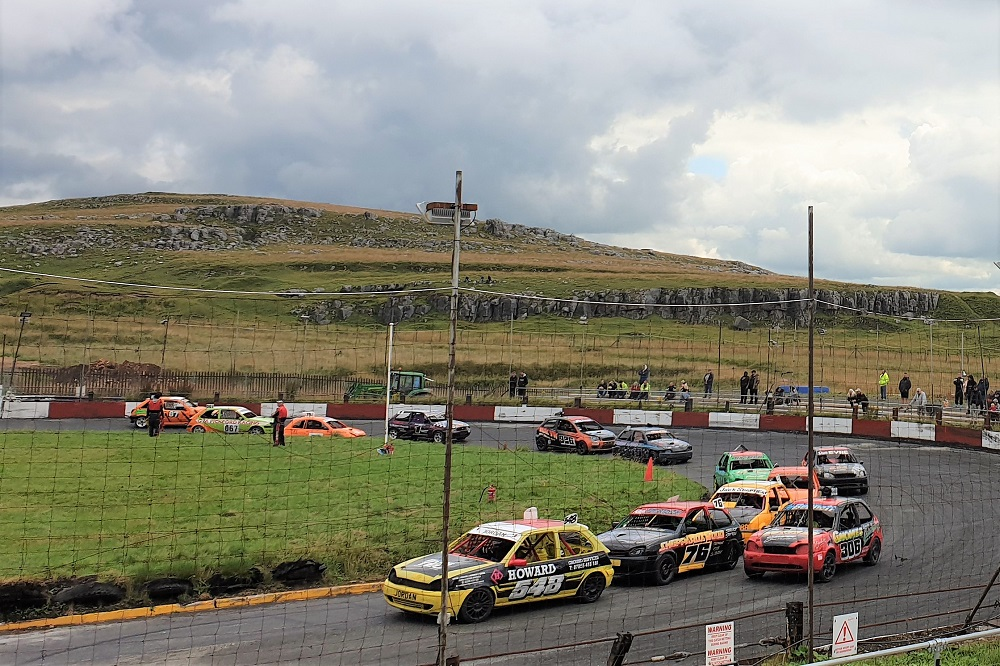
The location made the circumstances particularly baffling. The raceway stood in a remote area of moorland, raising questions about why she was heading there in the first place. Had arranged to meet someone?
The original investigation involved more than 1,000 enquiries and 737 witness statements. An inquest returned an open verdict, but senior detectives said they were convinced that Elaine Wakefield had been murdered.
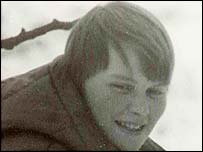
In 2003, police reopened the case following advances in DNA analysis and other investigative techniques. Evidence retained from the crime scene was re-examined and detectives said they had several new lines of inquiry.
The renewed investigation did not identify her killer. By 2011, police said the case remained open but was not being actively pursued.
More than four decades later, the central mystery remains: why did Elaine Wakefield make her way towards an isolated raceway, and who met her there?
The hitch-hiker, the Morris Traveller and the “Motorway Monster”
Ault Hucknall, Derbyshire, 1970
On 12 October 1970, 24-year-old trainee teacher Barbara Mayo set out from London intending to travel to Catterick in North Yorkshire.
She planned to hitch-hike north.
Six days later, her body was discovered in woodland near Ault Hucknall, close to Junction 29 of the M1 in Derbyshire. She had been sexually assaulted and strangled.
One of the most intriguing leads involved a Morris Traveller car. Investigators attempted to trace the vehicle after a possible sighting of a woman matching Barbara Mayo getting into one near Kimberley in Nottinghamshire.
The sighting generated an enormous line of inquiry, but the driver was never conclusively connected to the murder.
A distinctive possession also disappeared. Barbara Mayo had been carrying a leather handbag with an elephant embossed on it. The bag was publicised extensively during the investigation but was never recovered.
Detectives also considered a possible connection with the murder of 18-year-old Jacqueline Ansell-Lamb, who had disappeared while hitch-hiking north from London seven months earlier.
Jacqueline Ansell-Lamb was found murdered near Knutsford in Cheshire. Both women had relied on lifts from strangers, both were found near major motorway routes and both had been strangled. The similarities led to speculation that one offender, sometimes called the “Motorway Monster”, could have been responsible.
However, the link has never been conclusively established.
A DNA profile was eventually obtained in the Barbara Mayo investigation, but it did not identify her killer. Both murders remain unsolved.
The Boxing Day murder and the sightings that could not all be true
Chesterfield, Derbyshire, 1966
Fifteen-year-old Mavis Hudson spent part of Boxing Day 1966 with her mother at the Sun Inn in Chesterfield.
She left at around 8pm, reportedly intending to return to the children’s home where she was living in Bolsover.
The following afternoon, two boys exploring derelict buildings in Chesterfield discovered her body inside an abandoned building associated with the former Scarsdale Brewery. Contemporary television news archives record the subsequent murder inquiry and identify the location as an abandoned building on Lordsmill Street.
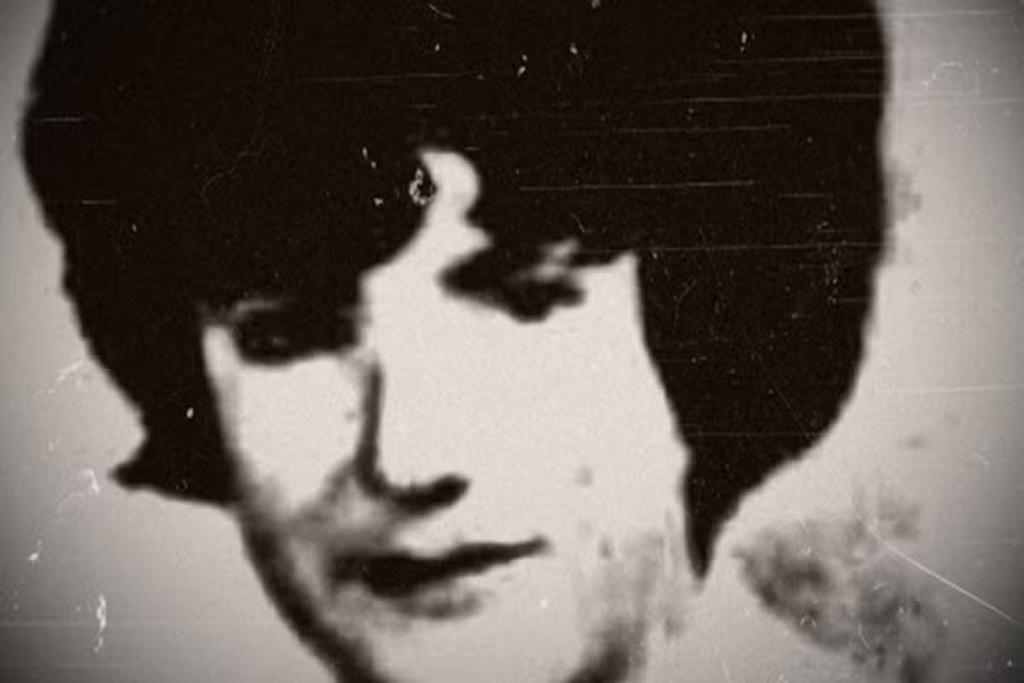
Mavis Hudson had died from asphyxiation caused by pressure on her neck or suffocation. Investigators believed she had been killed sometime between late on Boxing Day and the early hours of December 27.
The mystery was complicated by witness accounts that appeared to place her in different locations.
Some reports placed a girl resembling Mavis Hudson at the Queen’s Head Hotel in Chesterfield later that evening. Other witnesses claimed to have seen her travelling towards Sheffield or at an ice rink there.
The timings made it difficult for all the sightings to have been correct. Investigators therefore faced the problem of deciding which witnesses had genuinely seen Mavis Hudson and which had mistaken another teenager for her.
You might like…
Her movements after leaving the Sun Inn were never conclusively reconstructed.
Nobody has been convicted of her murder.
The Leicester victim with two different types of injury
Highfields, Leicester, 1974
The body of 24-year-old Rosina Hilliard was discovered on a building site near Spinney Hill Road in Leicester in February 1974.
Archive footage held by the Media Archive for Central England shows police searching for clues following the discovery of her body in the Spinney Hills area.
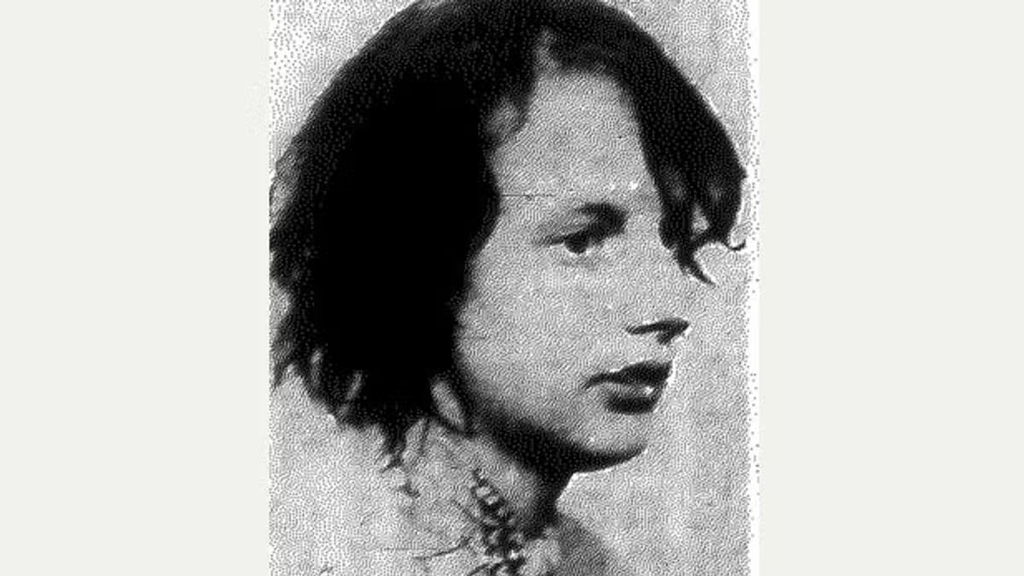
What made the case especially unusual was the combination of injuries.
Reports state that Rosina had compression injuries to her neck, suggesting an attempt had been made to strangle her. She had also suffered fractures to her spine and collarbone, together with serious head injuries consistent with being struck or run over by a vehicle.
That raised the possibility that her killer had used a vehicle during or after the attack.
Decades later, writers and former investigators suggested that Peter Sutcliffe, later convicted of murdering 13 women, might have been responsible. The suggestion was based partly on claims about his movements and similarities drawn with other attacks.
There has never been proof that Peter Sutcliffe killed Rosina Hilliard, however, and he was never convicted or officially identified as her murderer.
Her death remains unsolved.
The mysterious “Overalls Man” of Grantham
Grantham, Lincolnshire, 1994
The murder of 38-year-old mother-of-two Julie Pacey remains one of Lincolnshire’s most disturbing cold cases.
On 26 September 1994, her 14-year-old daughter returned from school and discovered her mother in the bathroom of the family home on Longcliffe Road in Grantham.
Julie Pacey had been sexually assaulted and strangled with a cord. Investigators believed the attack took place between approximately 3.20pm and 4.15pm.
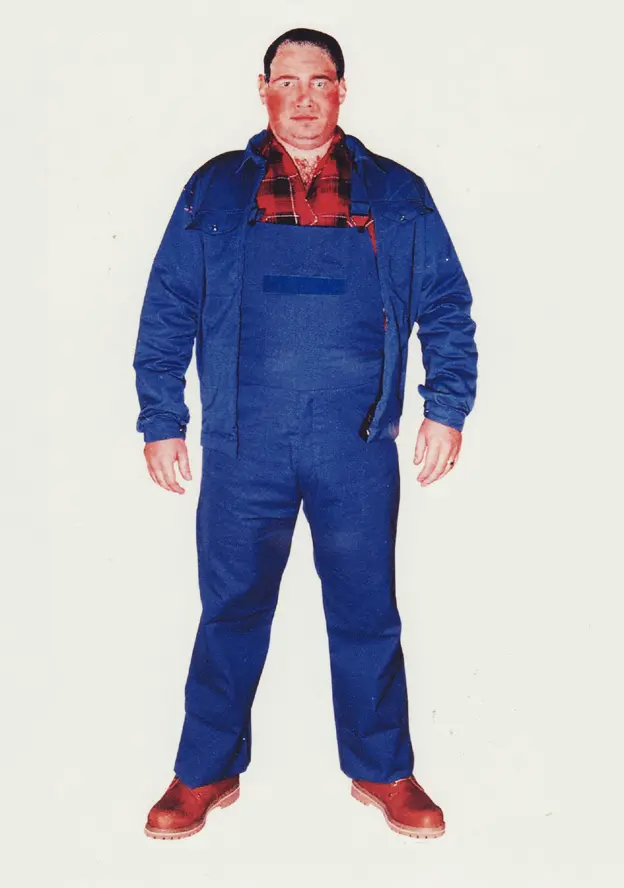
Attention quickly focused on a stranger who became known as“Overalls Man”.
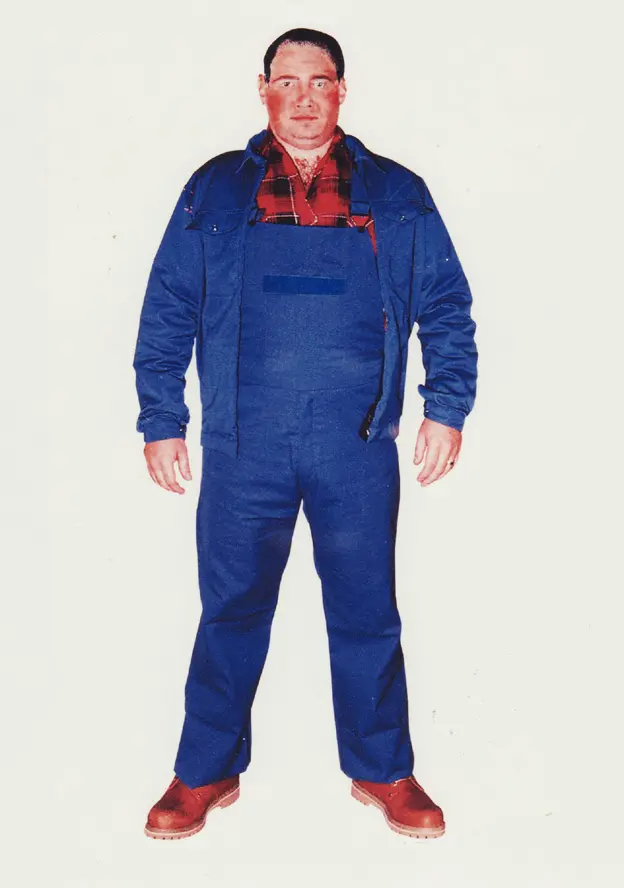
Three days before the murder, a man wearing blue overalls had reportedly approached the house while Julie Pacey was inside. He was described as being around 35, fairly stocky, with a round, ruddy face, rough hands and brown work boots.
A similarly dressed man was seen near the family’s home on the day of the murder.
A witness reported seeing him step into the road as Julie Pacey drove past. After the car continued towards her home, he allegedly turned and ran back in the same direction.
There was another unexplained detail.
A BMW was reported near the house around the time of the attack, despite the Pacey family owning an Audi. Witnesses reported seeing the unfamiliar vehicle leave the area.
Only one possession was reported missing: a relatively inexpensive French watch that Julie Pacey had bought while on holiday. It has never been recovered.
In 2015, advances in forensic testing enabled detectives to develop a full DNA profile of the killer. It did not match anyone on the UK National DNA Database.
“Overalls Man” has never been identified and the murder remains unsolved.
The taxi passenger who called himself “Shelton”
Nottingham, 1982
In the early hours of 14 August 1982, Nottingham taxi driver Gurcharn Singh Landa, known as John, received what appeared to be an ordinary request for a fare.
The caller used a telephone box on Peel Street and gave his name as “Shelton”. He reportedly asked to be taken to Mapperley.
Shortly after 4am, a resident on Cyprus Road heard a vehicle brake suddenly. Looking outside, she saw a taxi rocking violently, as if a struggle was taking place inside.
A man was then seen apparently searching the dashboard area.
Gurcharn Singh Landa was found on the pavement a short distance from his taxi. The 33-year-old father of eight had been stabbed 87 times in the head and torso.
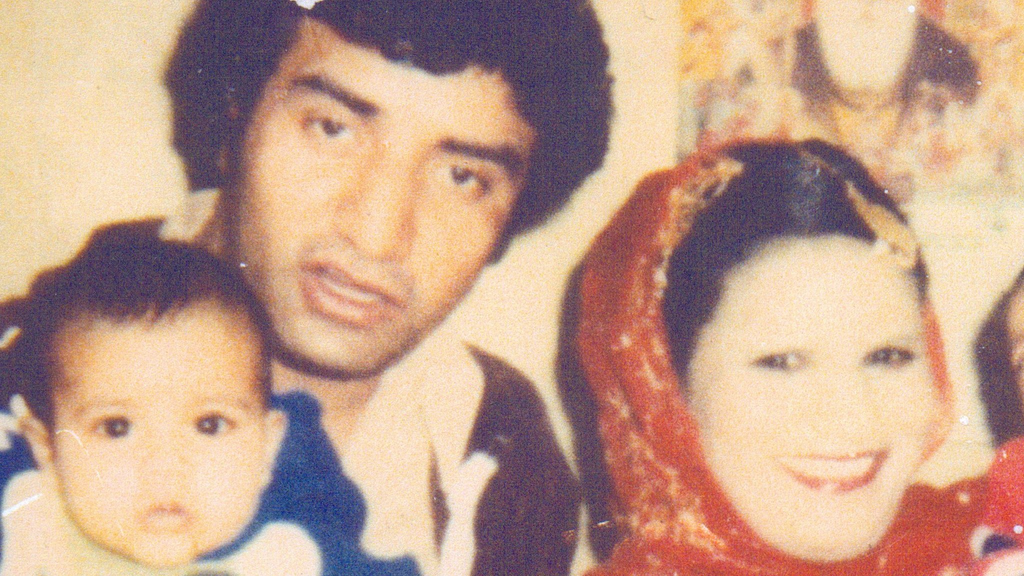
Police believed he had been robbed of his takings. His final passenger, and whether that passenger really was the man who called himself “Shelton”, became central to the investigation.
Despite an extensive inquiry and the arrests of 11 people, nobody was charged.
A fresh appeal on the 30th anniversary of the murder generated several positive leads and prompted a new review of witnesses and forensic opportunities. It still did not produce a prosecution.
More than four decades later, the identity of the passenger who entered Gurcharn Singh Landa’s taxi remains unknown.
Six mysteries, but six real lives
We need to remember that behind each of these East Midlands mysteries was a person whose family was left without justice.
Some of these investigations have already been revisited using modern forensic methods. The cases of Elaine Wakefield, Barbara Mayo, Julie Pacey and Gurcharn Singh Landa have all been subject to renewed examination, public appeals or advances in DNA testing.
That offers them at least some hope.
Someone out there, or even reading this, may still remember the man in blue overalls. A surviving relative could one day provide a familial DNA link. An old witness may finally decide to reveal what they know.
And in a case that has remained unsolved for decades, one small detail could still change everything. It’s never too late.